

Positive Intelligence
Training the Mind to Work for You
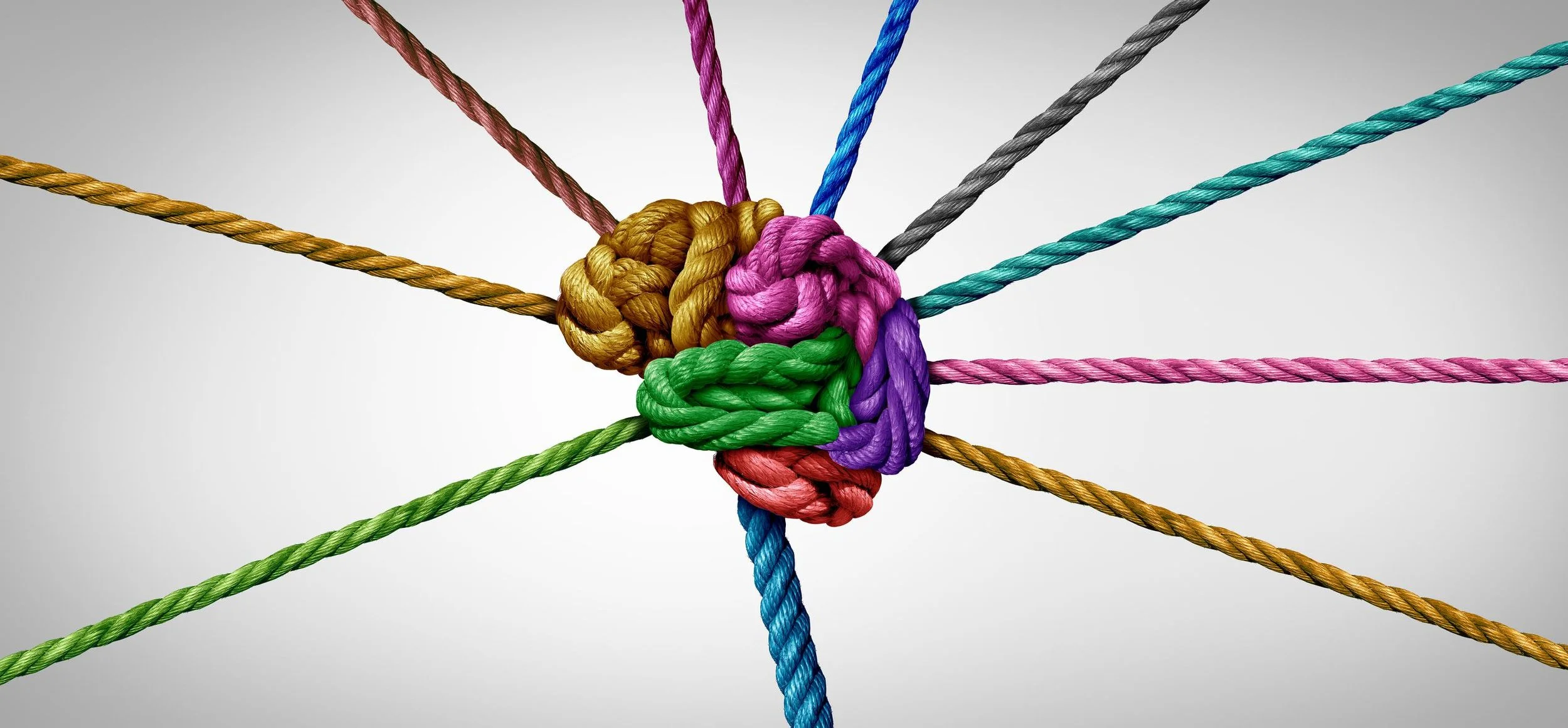
Learn to recognize the inner voices that create stress and build the mental fitness to respond with greater clarity, resilience, and joy.
Positive Intelligence is a practical system for strengthening the mind in much the same way exercise strengthens the body. Rather than trying to eliminate difficult thoughts, it trains you to notice the mental habits that generate stress, self-doubt, and frustration and to replace them with calmer, wiser responses. Developed by Shirzad Chamine, the method combines insights from psychology and neuroscience into a structured daily practice
Take the Test

The Saboteur Assessment helps identify the mental patterns that most often create stress, self-doubt, and unhelpful reactions. By understanding which inner habits are most active, you gain a clearer starting point for building the mental fitness needed to respond to life with greater calm, clarity, and resilience.
The Mind as Ally or Adversary
At the heart of the approach is a simple but powerful observation: the mind can either act as your greatest ally or your greatest obstacle. Much of the emotional strain people experience is not caused directly by external events but by habitual patterns of interpretation and reaction. These patterns—called “Saboteurs” in the Positive Intelligence framework—operate automatically, producing worry, criticism, perfectionism, and self-judgment. Mental fitness is the capacity to recognize these patterns and shift into a more constructive state of mind.
Positive Intelligence refers to this capacity as your PQ, or Positive Intelligence Quotient: a measure of how often your mind supports you rather than undermines you. When PQ is high, challenges are met with curiosity, empathy, creativity, and focused action. When PQ is low, the same situations are filtered through fear, blame, and resistance. Like physical fitness, mental fitness improves through consistent repetition rather than insight alone. Short daily practices strengthen new neural pathways so that beneficial responses become more natural over time.
How Attention Changes the Brain
In practical terms, Positive Intelligence helps people notice the internal voice that says they are not good enough, that they must control everything, or that mistakes are unacceptable. Instead of accepting these thoughts as truth, participants learn to observe them with greater distance and to engage a more balanced perspective. This mode of mind emphasizes empathy, exploration, innovation, clear navigation, and purposeful action. Over time, these capacities support improved resilience, healthier relationships, and more effective decision-making.
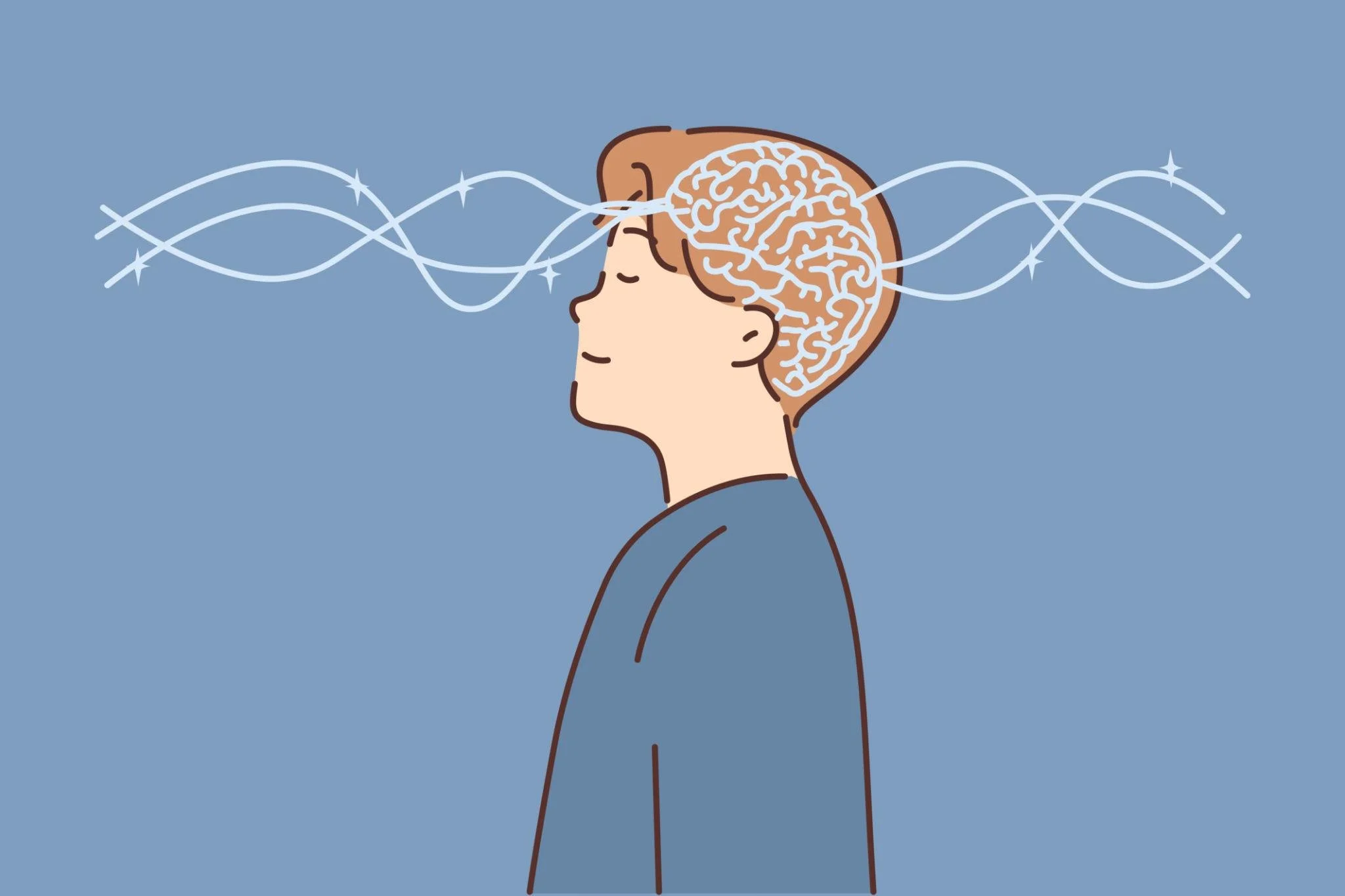
Research cited by the program suggests that consistent practice is associated with gains in happiness, stress management, self-confidence, and interpersonal effectiveness. While specific outcomes vary from person to person, the central principle is well supported by broader psychological science: attention can be trained, and repeated mental habits can reshape emotional responses and behavior.
In the WellBeing Workshop, Positive Intelligence serves as a foundational discipline for developing greater self-awareness and emotional regulation. Participants learn to identify thought patterns that interfere with healing and to cultivate a more supportive relationship with their own mind. Through guided exercises, reflection, and daily practice, they build the mental habits needed to respond to life with more calm, clarity, and confidence.
Ultimately, Positive Intelligence is not about forcing yourself to “think positive.” It is about training the mind to become a reliable partner rather than an internal adversary. With practice, the same mind that once amplified stress can become a source of wisdom, resilience, and sustained well-being